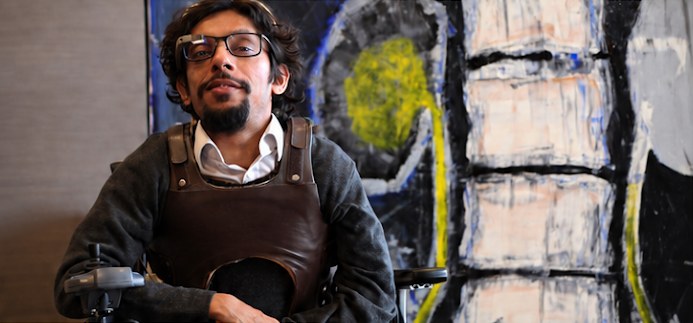
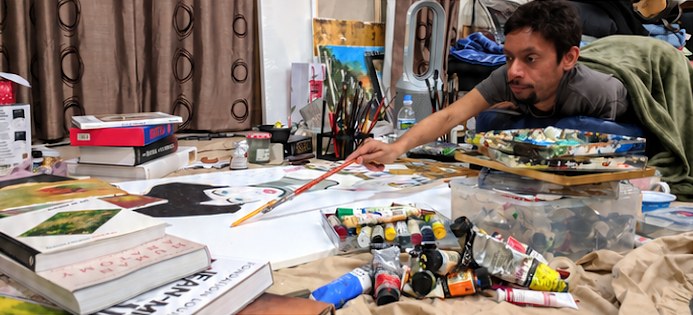
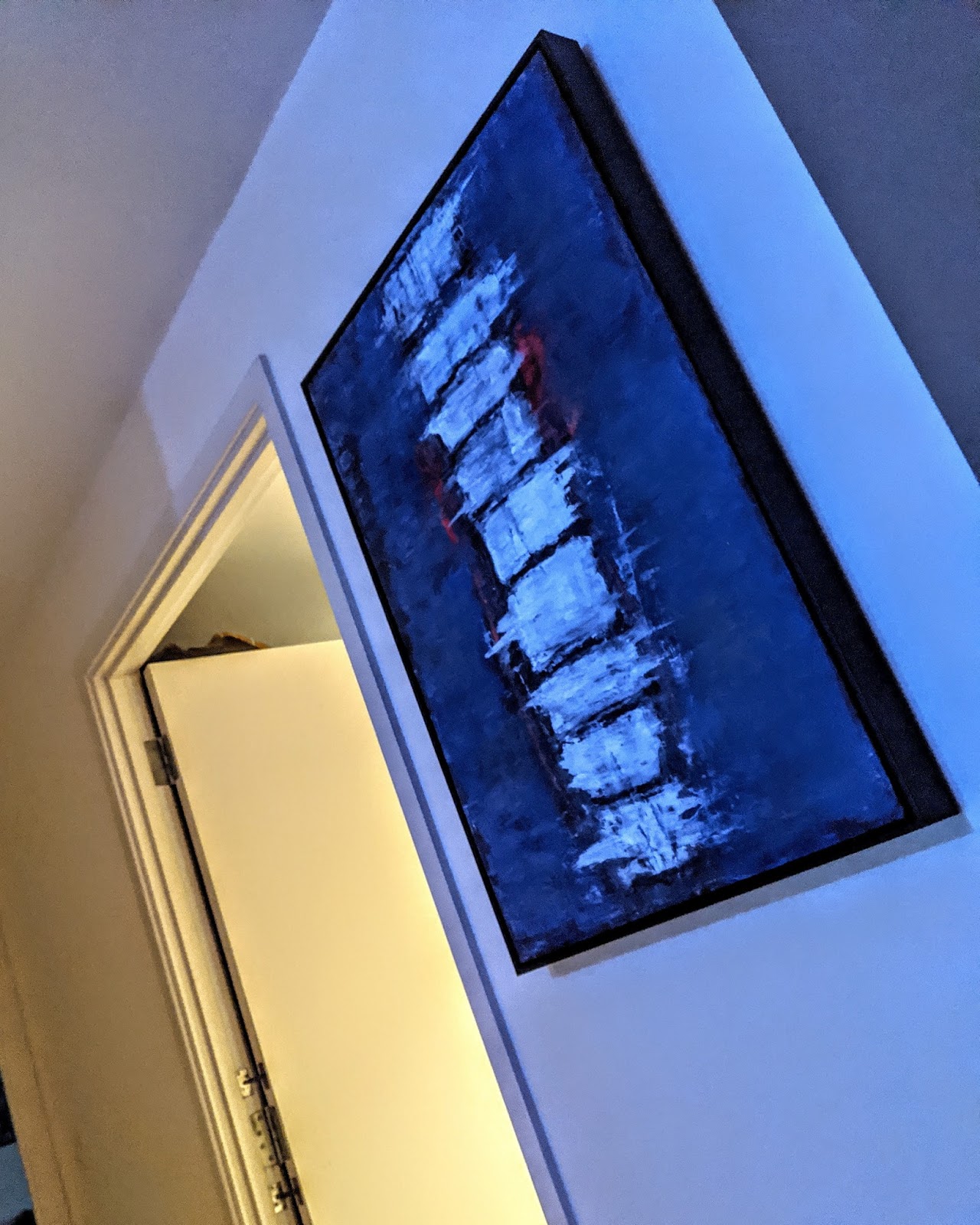
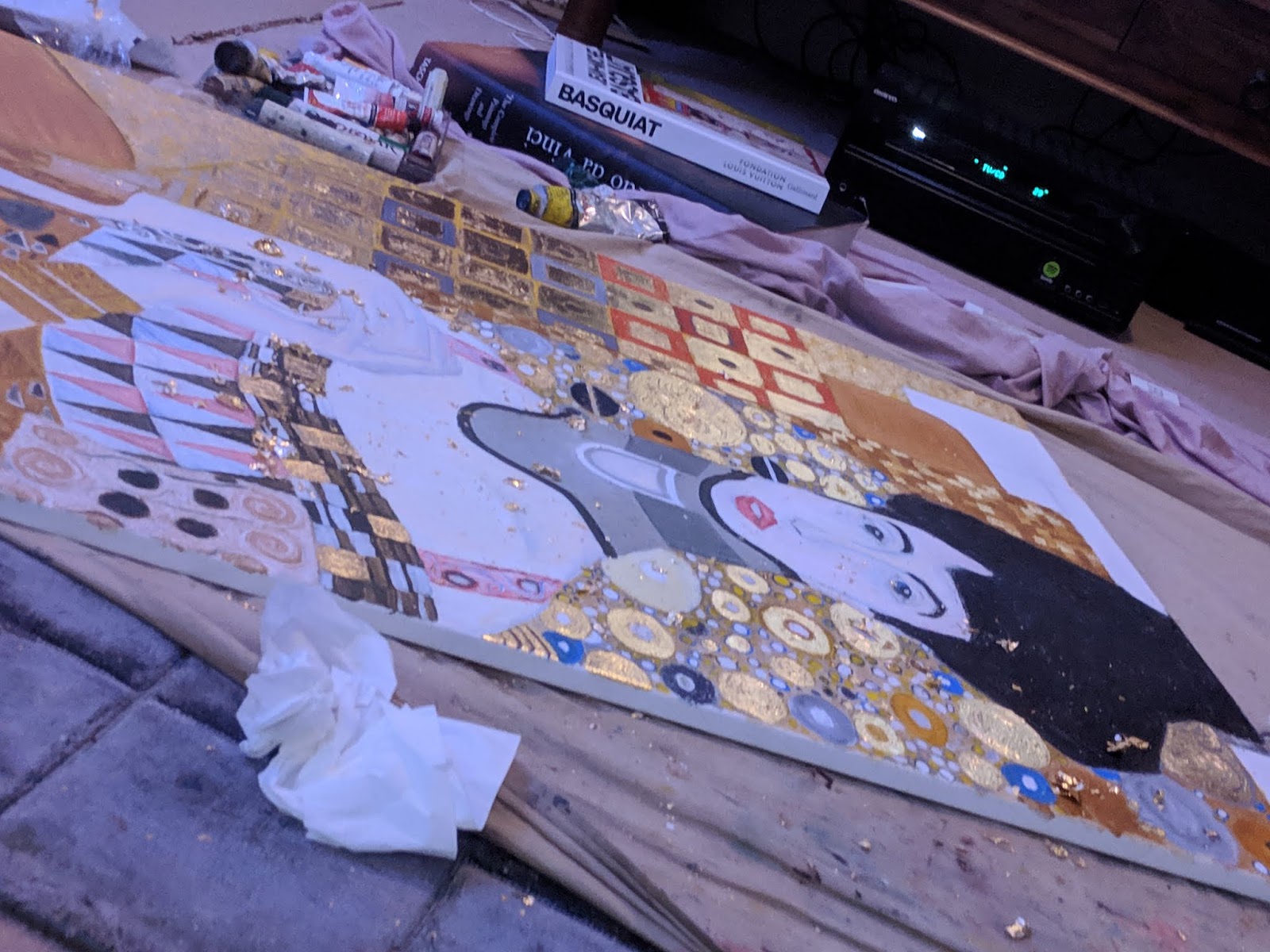
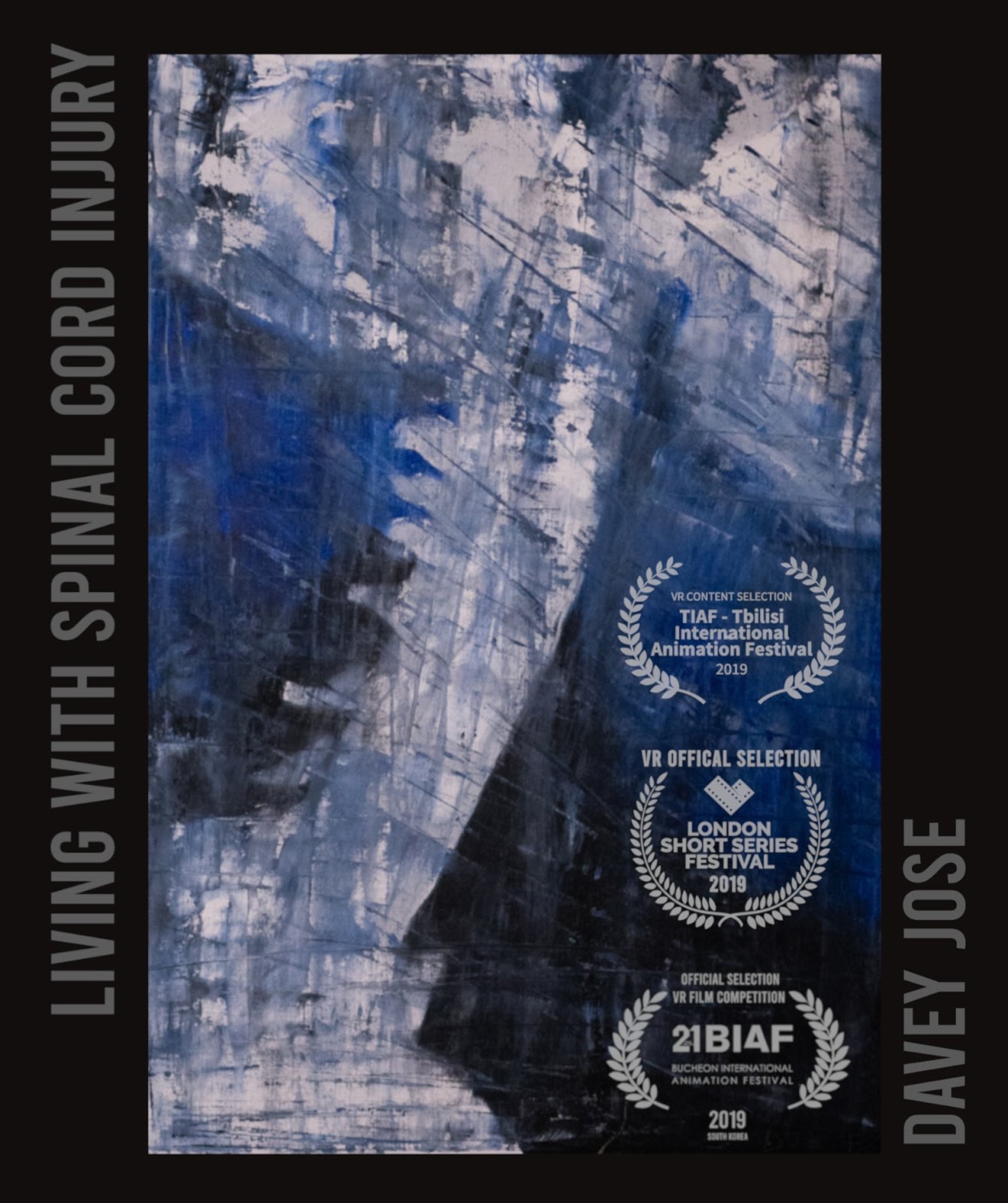
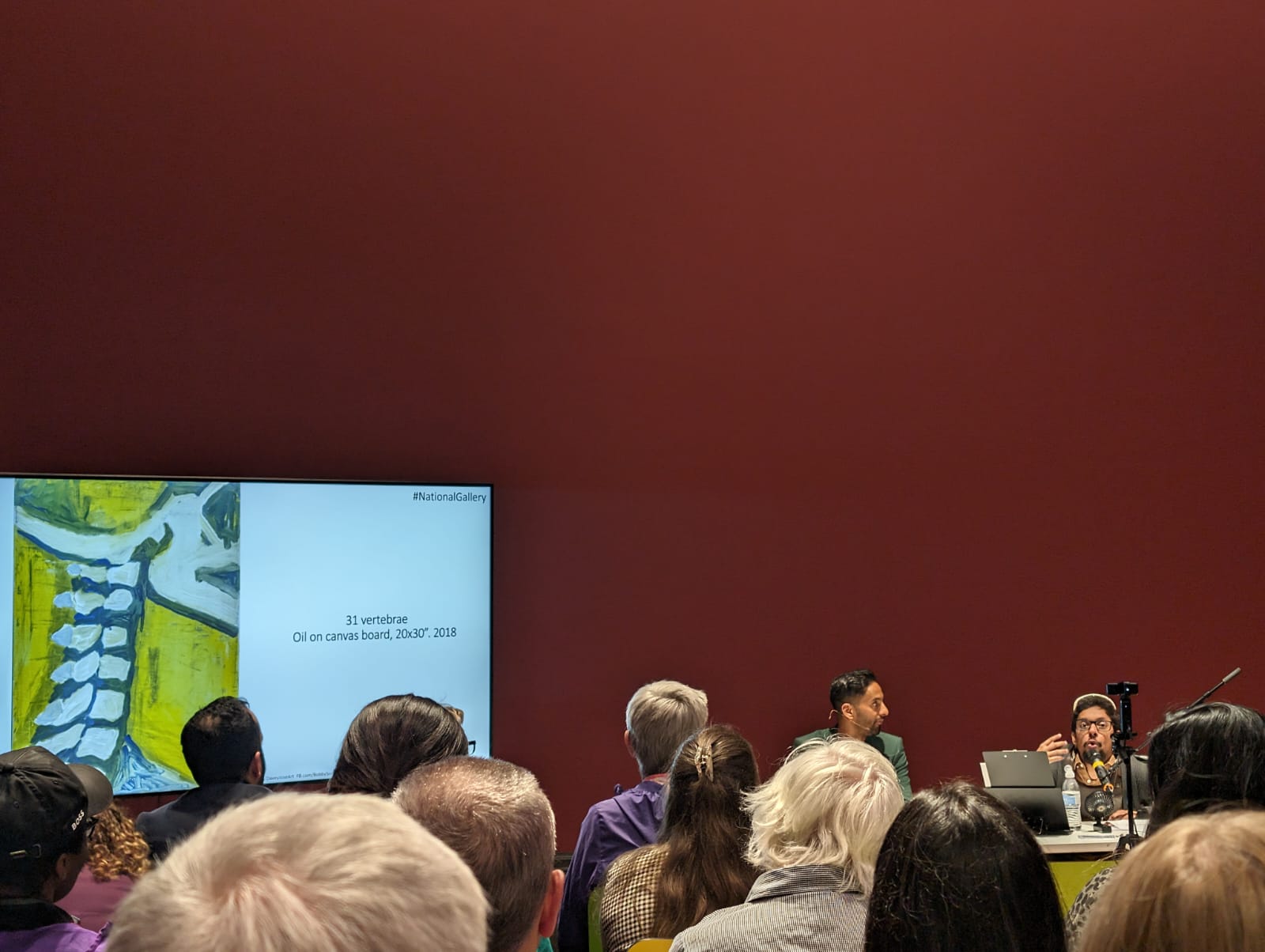
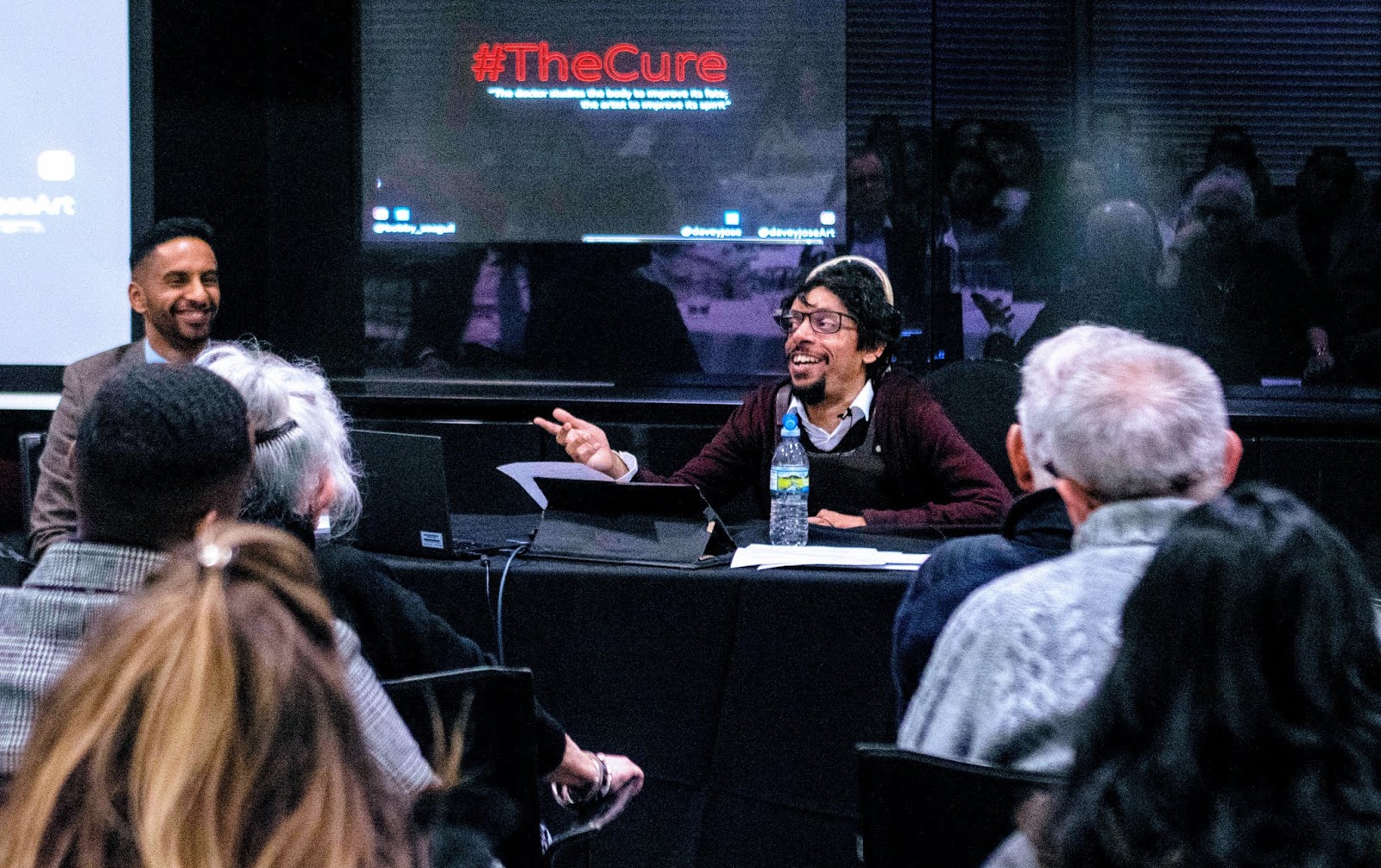
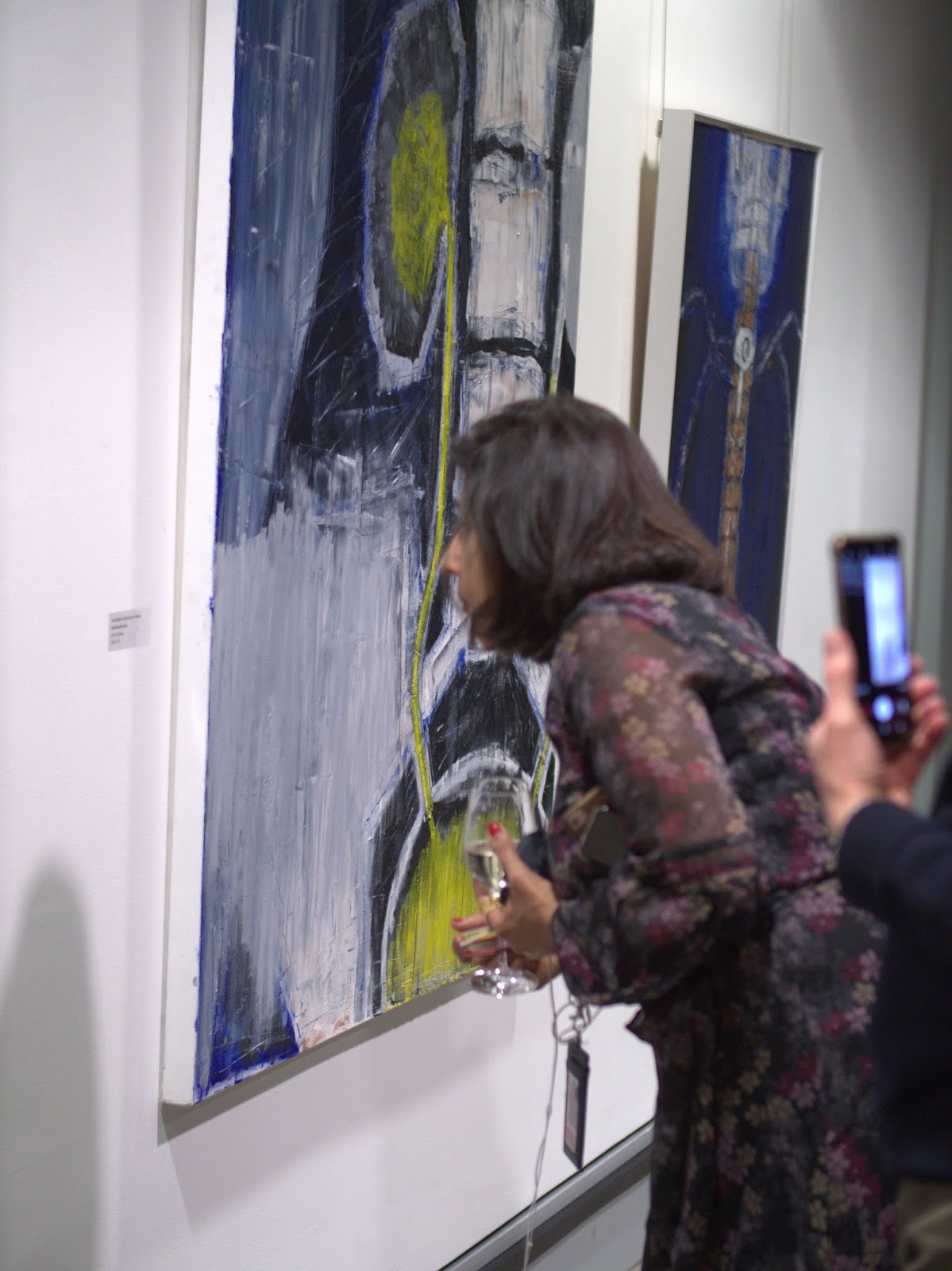
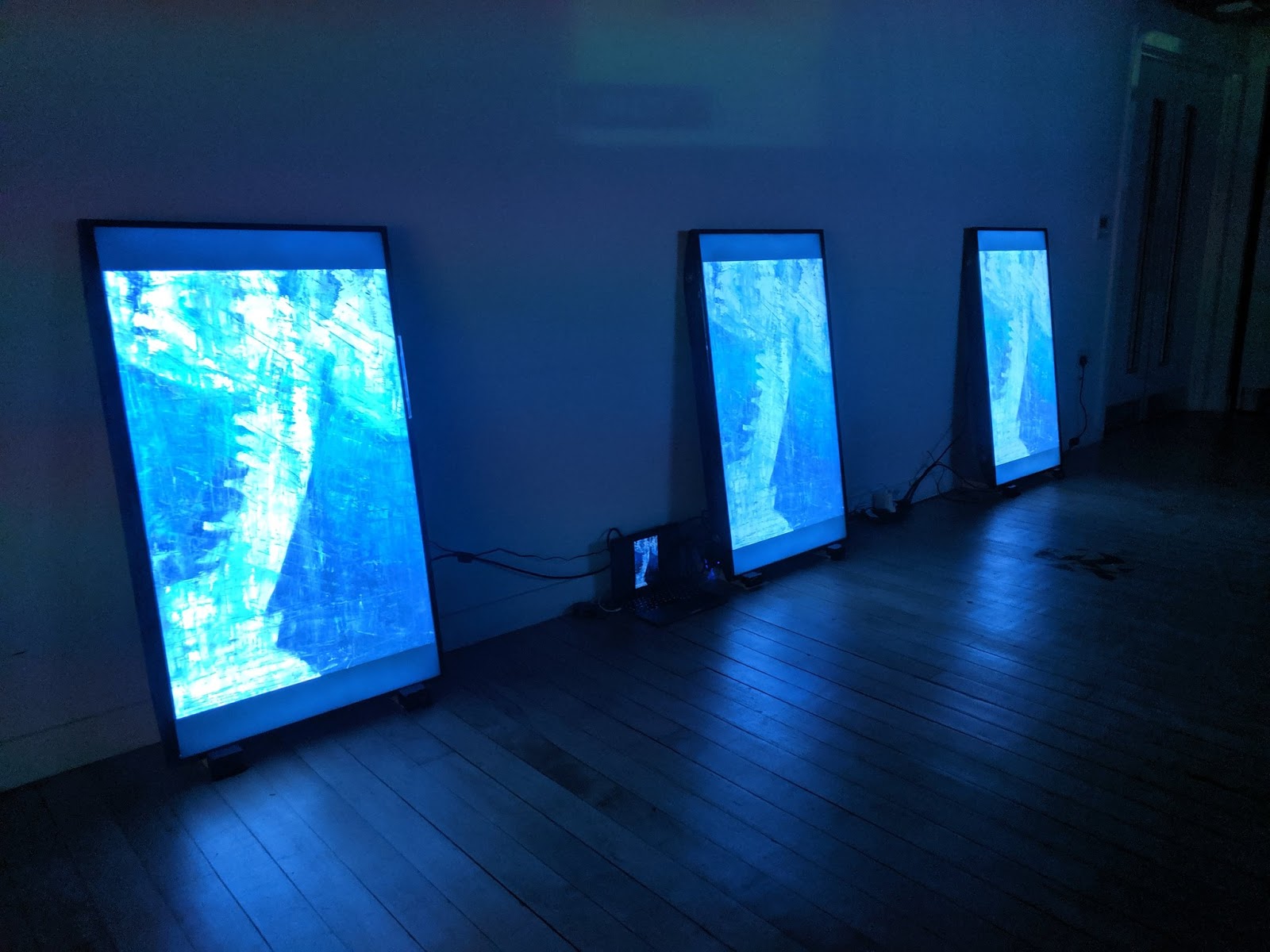
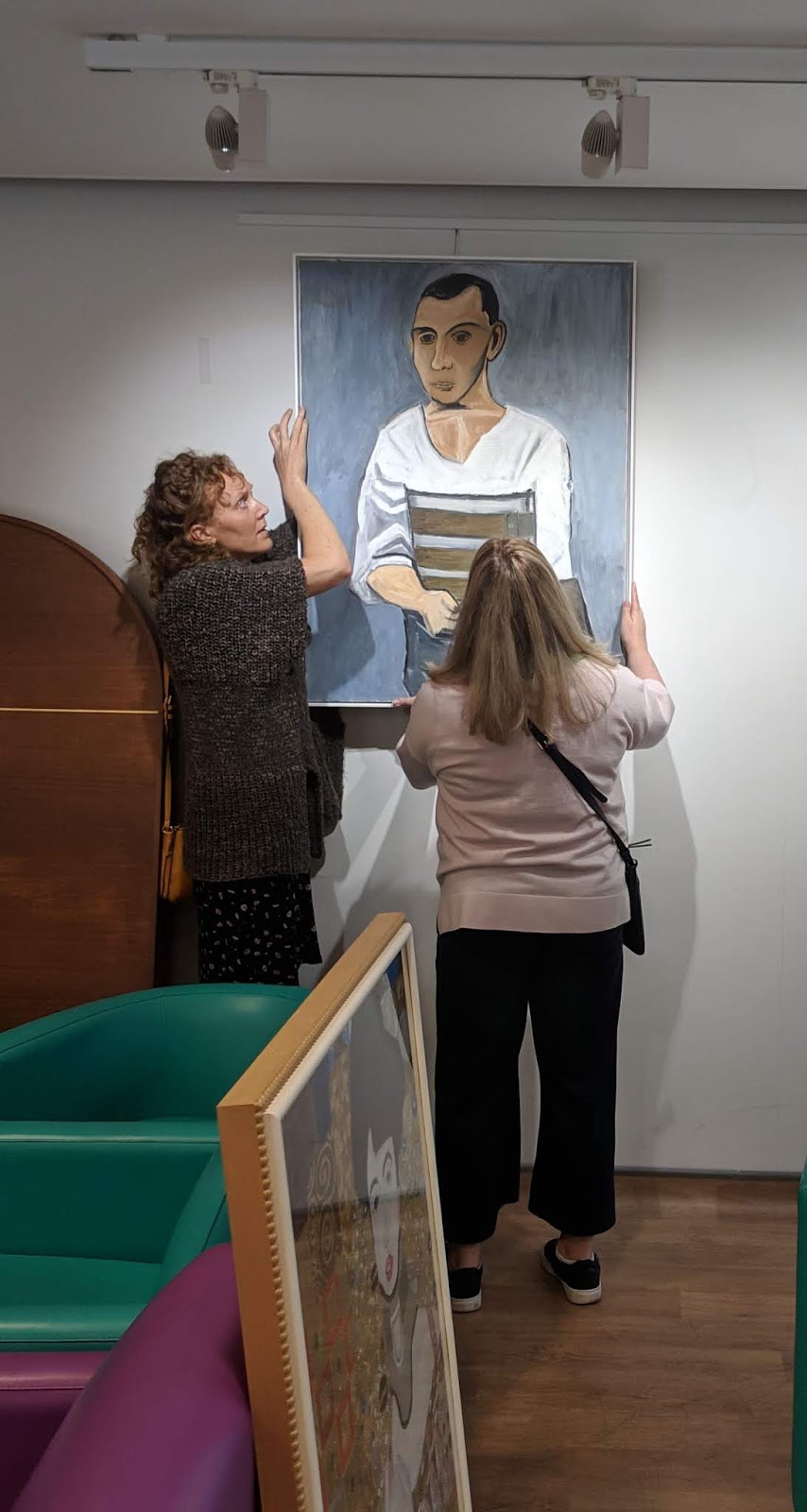
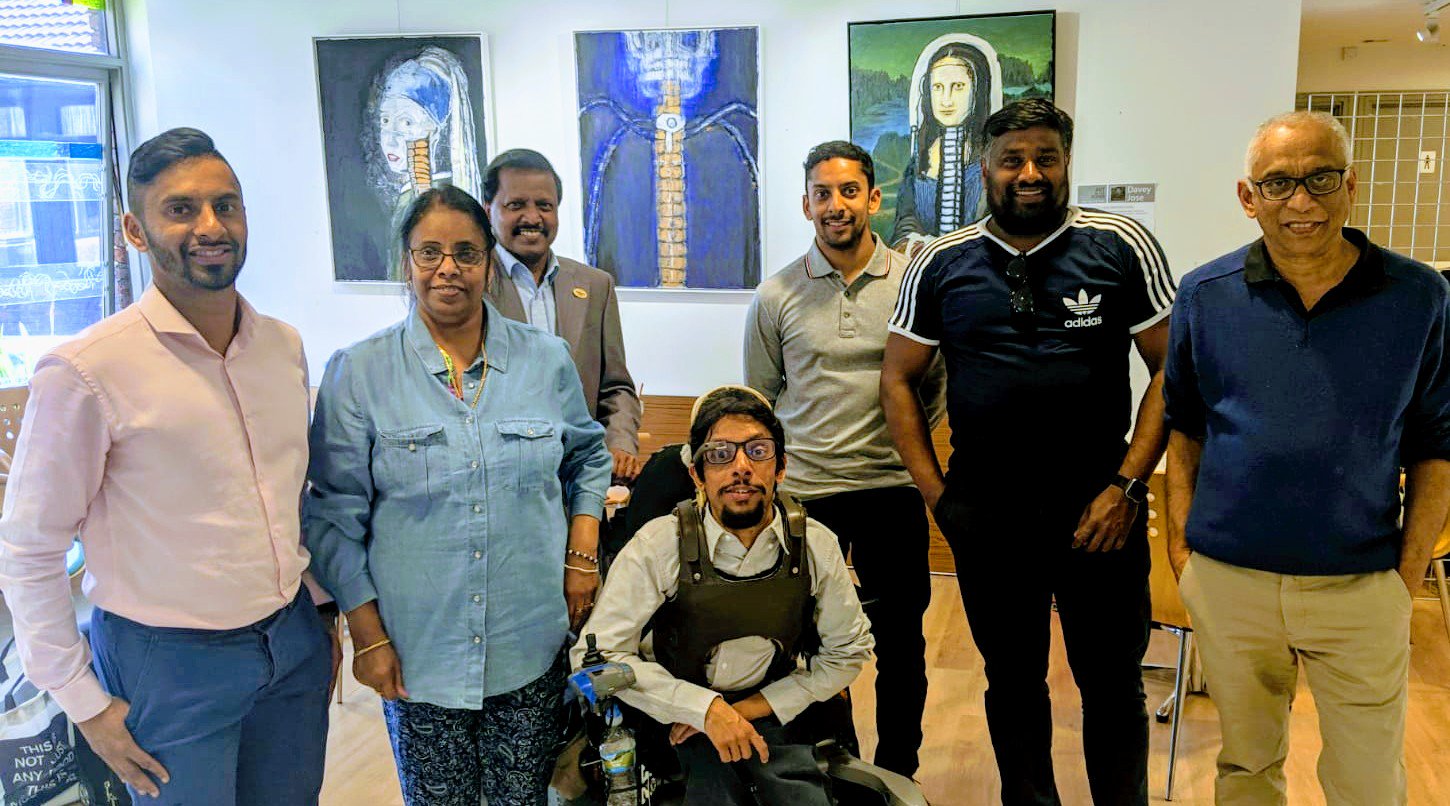
Davey has lived with a spinal injury since being run over by a car at 2.8 years old. Over the last decade, his art practice has increasingly focused on spinal cord injury and disability, developing into a body of work titled The Cure. Medicine and art share a history going back hundreds of years; the series draws on that interplay while infusing anatomy with lived experience.
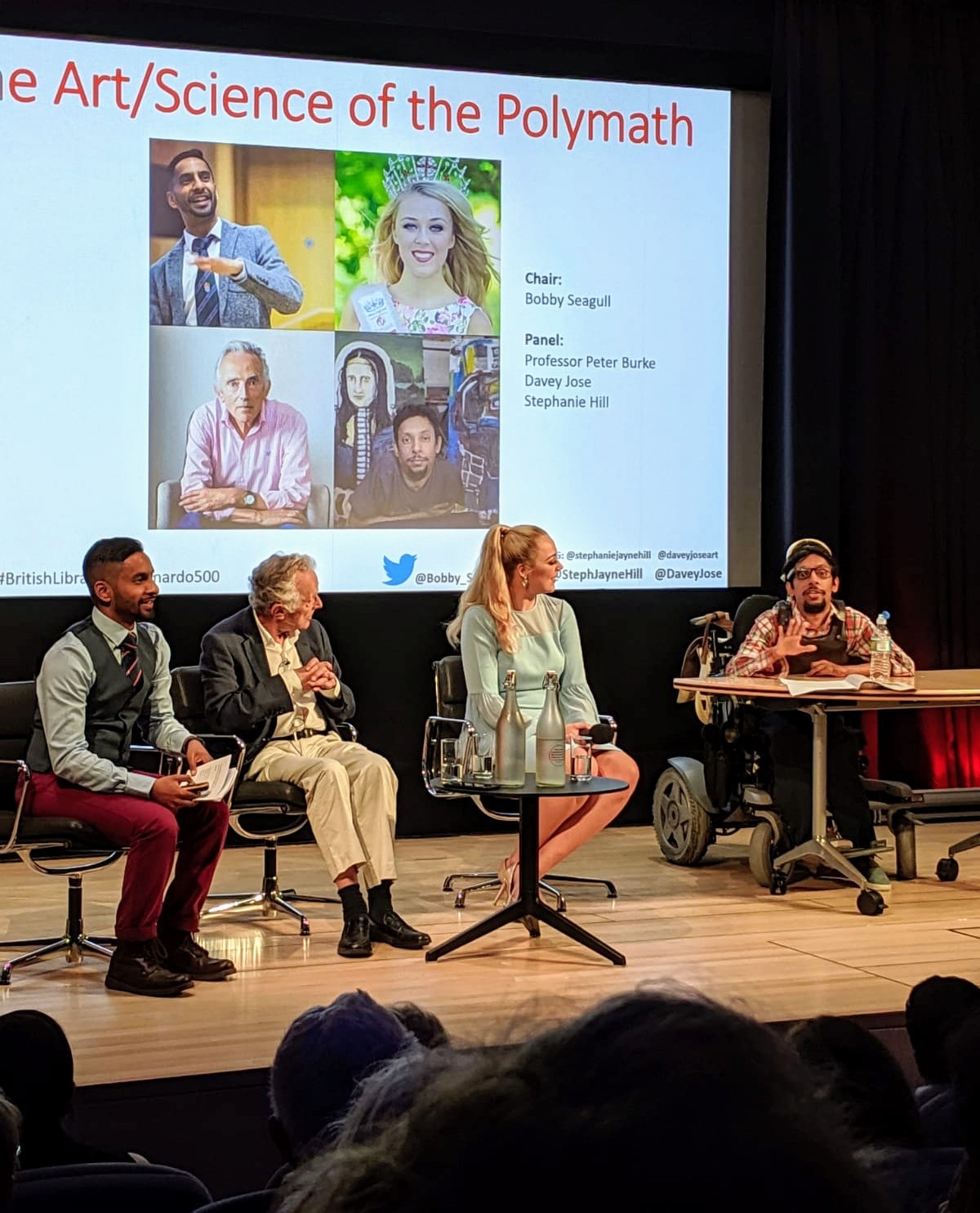
Davey's influences are wide-ranging. For The Cure, particular reference points include Leonardo da Vinci's anatomical studies and Jean-Michel Basquiat's relationship with Gray's Anatomy, given to him by his mother while recovering after being hit by a car aged seven. His practice has also been informed by Francis Bacon, Henri Matisse, Frida Kahlo, Mark Rothko, H. R. Giger and Nam June Paik, whose pioneering use of technology has particular resonance with Davey's digital and immersive work. Together, these references connect The Cure to wider conversations around anatomy, the body, disability, portraiture, colour and technology. In 2019, the 500th anniversary of Leonardo's death, Davey exhibited work and joined the British Library's Art/Science of the Polymath event.
Antony Gormley is another influence, particularly in his exploration of the human body, physical presence and space through sculpture. His treatment of the body resonates with Davey's own interest in embodiment, disability and spinal injury. There is also a connection through Trinity College, Cambridge, where Gormley studied from 1968 to 1971 and Davey studied three decades later; Davey later met him at a Trinity private view during his 2019 Royal Academy exhibition.
Through the titles and images, the hope is that viewers take away a sense of hope, strength and recovery - and that it's OK to be different, and to embrace our differences.